Last week, the University of Tennessee announced something that would have seemed absurd a decade ago: a formal history course built entirely around Grand Theft Auto. This isn’t educational gimmickry. It’s evidence of a fundamental shift in how we understand communication effectiveness.
For marketing professionals raised on reach curves and frequency caps, gaming presents a paradox. Here’s a medium where audiences voluntarily spend hours engaging with branded content, achieving engagement times that would make any media planner weep with joy. Yet many brands still treat gaming like a novelty channel rather than the cultural infrastructure it has become.
Traditional media operates on interruption. Gaming operates on immersion. This isn’t semantic hair-splitting. It represents a fundamentally different value exchange between brands and consumers.
In traditional advertising, we pay for the right to interrupt. In gaming, we earn the right to participate. Players actively choose to enter these worlds and engage with content for extended periods. This creates what behavioural economists call “high involvement processing”: the kind of deep engagement that drives actual behavior change rather than mere awareness.
The numbers are compelling. Gaming now generates higher revenue than music and film combined, with over 3.3 billion active players worldwide. More crucially for marketers, gaming achieves engagement metrics that traditional channels can only dream of. Consider that the average Minecraft session lasts 100+ minutes. Compare that to your last banner ad impression.
The empirical evidence for gaming effectiveness is mounting across categories. Health education campaigns through gaming platforms routinely achieve millions of downloads where traditional PSAs struggle for attention. Employment branding through gaming contexts has moved major employers from 71st to 8th place in preference rankings among target demographics. Blood donation campaigns integrated into esports competitions generate thousands of new registrations among traditionally hard-to-reach young males.
These aren’t vanity metrics. They represent measurable business outcomes achieved through gaming when conventional approaches failed. The difference lies in context and consent. A message about civic responsibility resonates differently when delivered during a meaningful moment in a game players have chosen to experience.
Gaming succeeds because it follows three principles that traditional advertising often ignores:
Players aren’t being sold to; they’re exploring worlds that happen to contain branded messages. This transforms the fundamental brand-consumer dynamic from adversarial to collaborative.
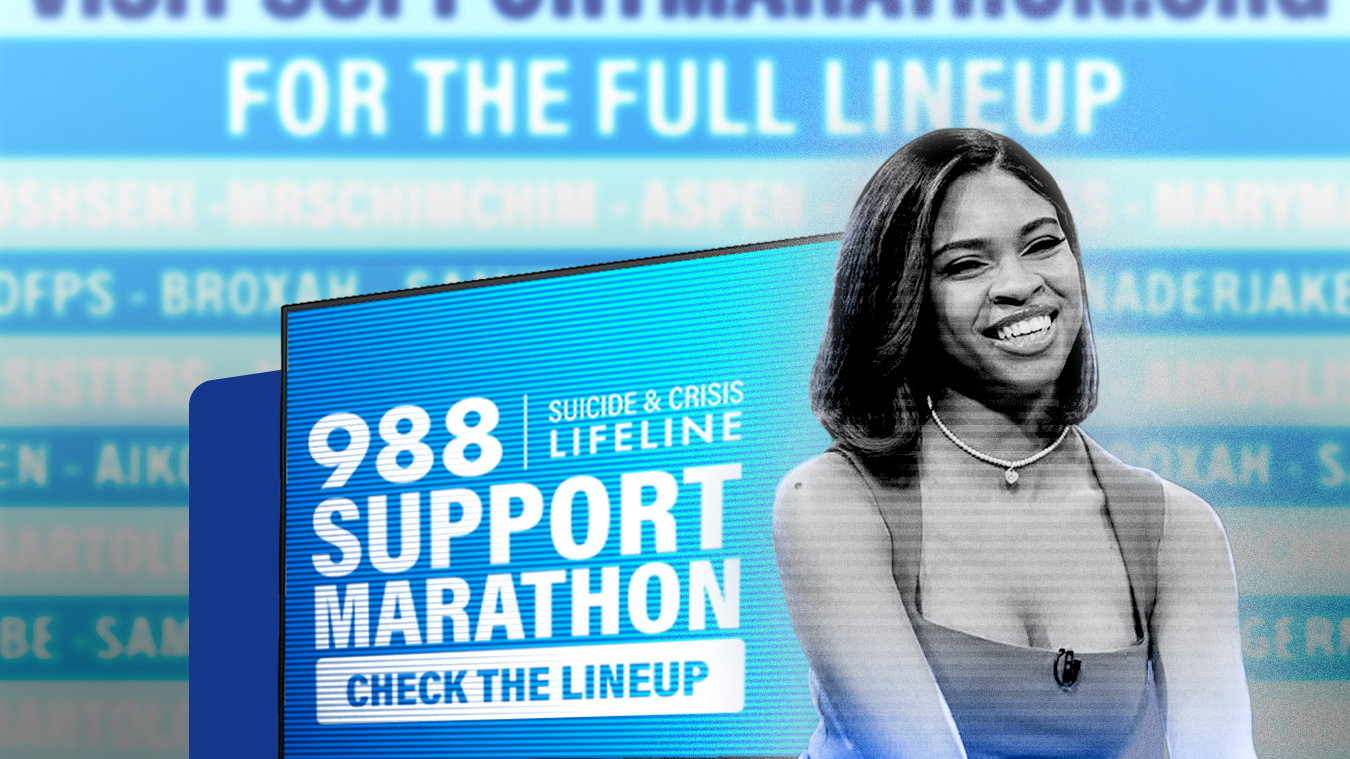
A straightforward message about blood donation becomes compelling when delivered during a “First Blood” moment in League of Legends. The gaming context provides meaning that amplifies the message’s impact.

Click for more about this case
Gaming creates shared experiences where messages become topics of conversation within player communities. This organic distribution reaches far beyond the initial audience.
These principles explain why gaming partnerships consistently outperform traditional advertising on both engagement and conversion metrics. When Samsung sponsored Team Gullit’s FIFA kits, they achieved over 2.5 million in-game exposures through matches that players actively chose to play. That’s not interruption—that’s integration.
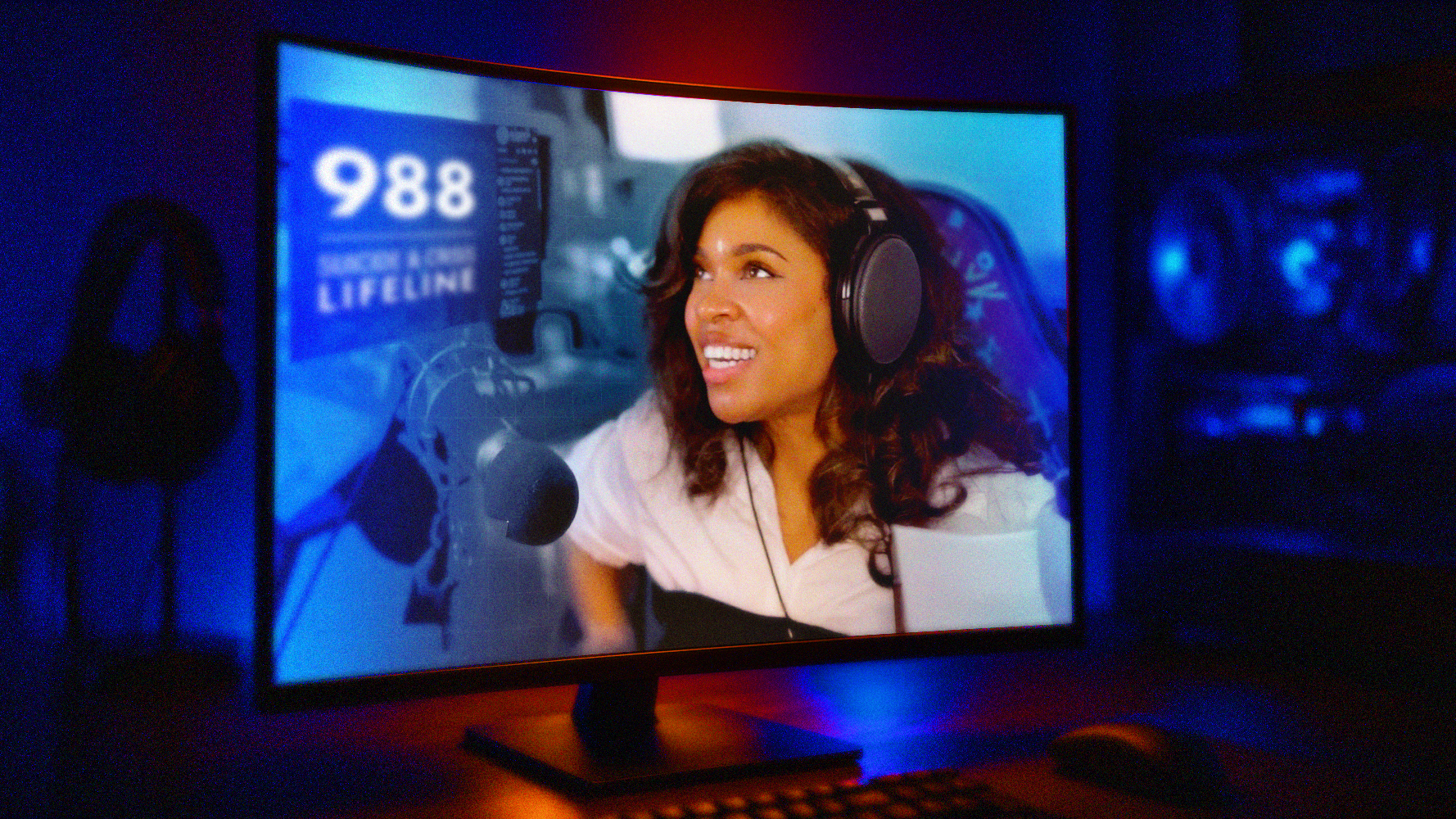
For marketers still thinking of gaming as “just entertainment,” the evidence suggests otherwise. When academic institutions build curricula around games, when healthcare organizations use platforms like Twitch for mental health support, when global sports federations leverage Minecraft for educational campaigns, we’re witnessing medium maturation that fundamentally changes communication rules.
This represents what media theorists call “infrastructural media”, platforms so embedded in daily life that they become conduits for multiple forms of communication beyond their original purpose. Gaming has reached this threshold, particularly among younger demographics who spend more time in virtual worlds than watching traditional television.
The implications for effectiveness measurement are profound. Traditional advertising assumes we’re interrupting people who would rather be doing something else. Gaming marketing assumes collaboration, with brands creating genuine value within experiences people actively seek.
This shift demands new thinking about what effectiveness actually means. Gaming campaigns often generate behavior change rather than just awareness, community building rather than just reach, and long-term engagement rather than momentary attention.
Consider the difference: a traditional health campaign might achieve 60% aided awareness but struggle to drive actual behavior change. A gaming-integrated health initiative might reach fewer people initially but generate thousands of concrete actions, registrations, donations, participation, that represent real-world impact.
The most sophisticated marketers are beginning to recognize that gaming isn’t replacing traditional advertising but revealing new possibilities for what advertising could become when we stop interrupting and start collaborating.
The brands succeeding in gaming share common characteristics: they understand gaming culture, create genuine value within gaming contexts, and speak gaming’s native language rather than shouting corporate messaging through a gaming megaphone.
This requires what strategist Roger Martin would call “integrative thinking”. The ability to hold two seemingly opposing ideas simultaneously. Gaming is both entertainment and serious communication platform. It’s both escapism and reality-shaping infrastructure. It’s both play and purpose.
For marketing professionals, the question isn’t whether gaming works, the mounting evidence answers that definitively. The question is whether marketing organizations are prepared to rethink effectiveness itself for an audience that has fundamentally changed how they consume, process, and act on branded messages.
In a world of infinite choice and declining attention spans, the most effective message may well be the one people actually want to receive. Gaming has figured this out. And Professor Tore Olsson from the University of Tennessee realized this earlier than many big brands. Not only can his students learn something from him; so can the rest of us.