Gaming is all about pushing boundaries-not just in graphics, but also in storytelling, music, gameplay and beyond. This drive to improve has led to a steady stream of amazing videogames. From indie gems that redefine narrative to blockbuster titles with visuals that rival reality. It’s a great time to be a gamer-and that includes those with disabilities.
Why accessibility matters
While we praise studios for all the work they put in things like graphics, gameplay and storytelling, we sometimes forget to praise other important parts of development. For example: accessibility. Many gamers rarely explore the accessibility settings menu or notice how games are tailored to diverse needs. And that’s a shame, because there’s some amazing work being done in this department.

Improving the accessibility of a game relies heavily on customization. No two disabilities are the same and each requires a tailormade approach. It’s truly amazing to see how developers find ways to ensure that all players, regardless of their abilities or disabilities, can enjoy and interact with video games. This promotes equal opportunities and broadens the player base.
Innovation that makes a difference
The numbers speak volumes. Studies show that individuals with disabilities make up around 20% of the gaming population, while others suggest over 30% of gamers have a disability. For you, accessibility settings might be something you never use, but for others, these options can mean the difference between feeling excluded and being an active part of the gaming community.
Thanks to ongoing advancements, gamers with visual, auditory, cognitive, or physical impairments can immerse themselves in their favorite titles just like anyone else. As a gaming for brands agency our motto is: radically putting players first. And by that, we mean every player out there. Therefore we are always excited to see developers innovating in accessibility and ensuring their games are inclusive for all.
Accessibility at The Game Awards
That’s why the “innovation in accessibility” award at The Game Awards always sparks our interest. It’s amazing to see what developers come up with to make their games even more accessible. For example, Call of Duty Black Ops 6 has impressed with features designed for gamers that experience asymmetrical hearing loss or tinnitus. The game also offers an arachnophobia mode, proving that accessibility can take many creative forms. And that’s just the tip of the iceberg. Black Ops 6 boasts one of the most comprehensive accessibility options in recent memory.
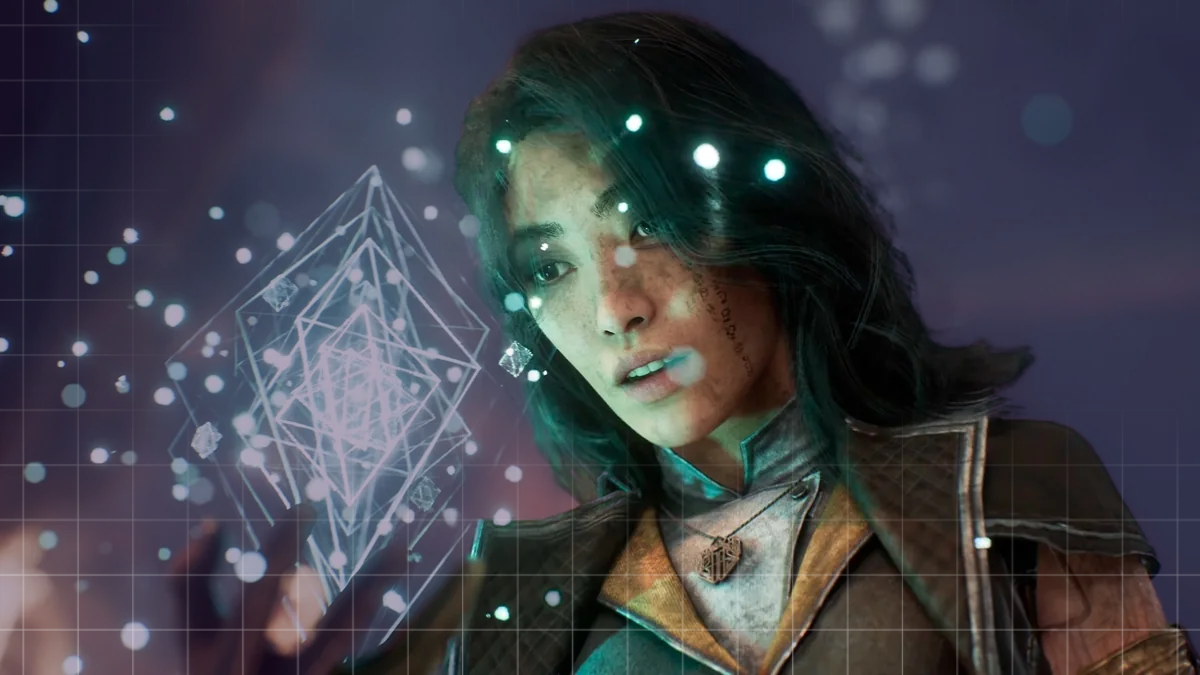
Whether this impressive list of options is enough to bring home the award, is to be seen. With Diablo IV, Dragon Age: The Veilguard, Prince of Persia: The Lost Crown and Star Wars Outlaws the competition is fierce. Outlaws, especially, gets a lot of praise for the level of customization. The audio descriptions (that tell you the major events of any cinematics that play) are amazing and the options regarding audio/visual cues are plenty. Massive Entertainment has truly gone all out to make sure everyone can enjoy this Star Wars adventure.
A win for all gamers
Black Ops 6 and Outlaws have set a new standard for accessibility in games, but that might not be enough to win. The award is aimed at celebrating the biggest innovation in accessibility, and it looks like Prince of Persia: The Lost Crown might have an edge on them. The game’s “accessibility by design” approach ensures that most (impaired) players don’t even need to adjust the settings —it’s inherently inclusive. Accessibility is about creating something everyone can enjoy, and Prince of Persia does this in the most user friendly way.