Client
Helpwanted
Every day, thousands of young Dutch gamers face harassment, discrimination, and threats while playing online. The scope extends far beyond competitive banter into systematic abuse targeting women, LGBTQ+ individuals, and people of color. Research shows that 30% of young people in the Netherlands experience mental health issues, with toxic gaming environments often exacerbating these problems. Despite the scale of this issue, it remains largely unaddressed. Victims often don’t know where to turn for help, while the broader gaming community lacks the tools and awareness to create positive change.
How can we address the widespread problem of online harassment in Dutch gaming communities while increasing awareness of Helpwanted’s mental health support services? The challenge was reaching young gamers with anti-toxicity messaging in a way that felt authentic rather than preachy, while providing clear pathways to professional support for those experiencing harassment and its mental health consequences.
Traditional approaches to anti-bullying campaigns often fail to resonate with gaming communities, who are skeptical of corporate messaging that doesn’t understand their culture. We needed to create genuine conversations about the real impact of toxic behavior while demonstrating that seeking help is both normal and necessary.
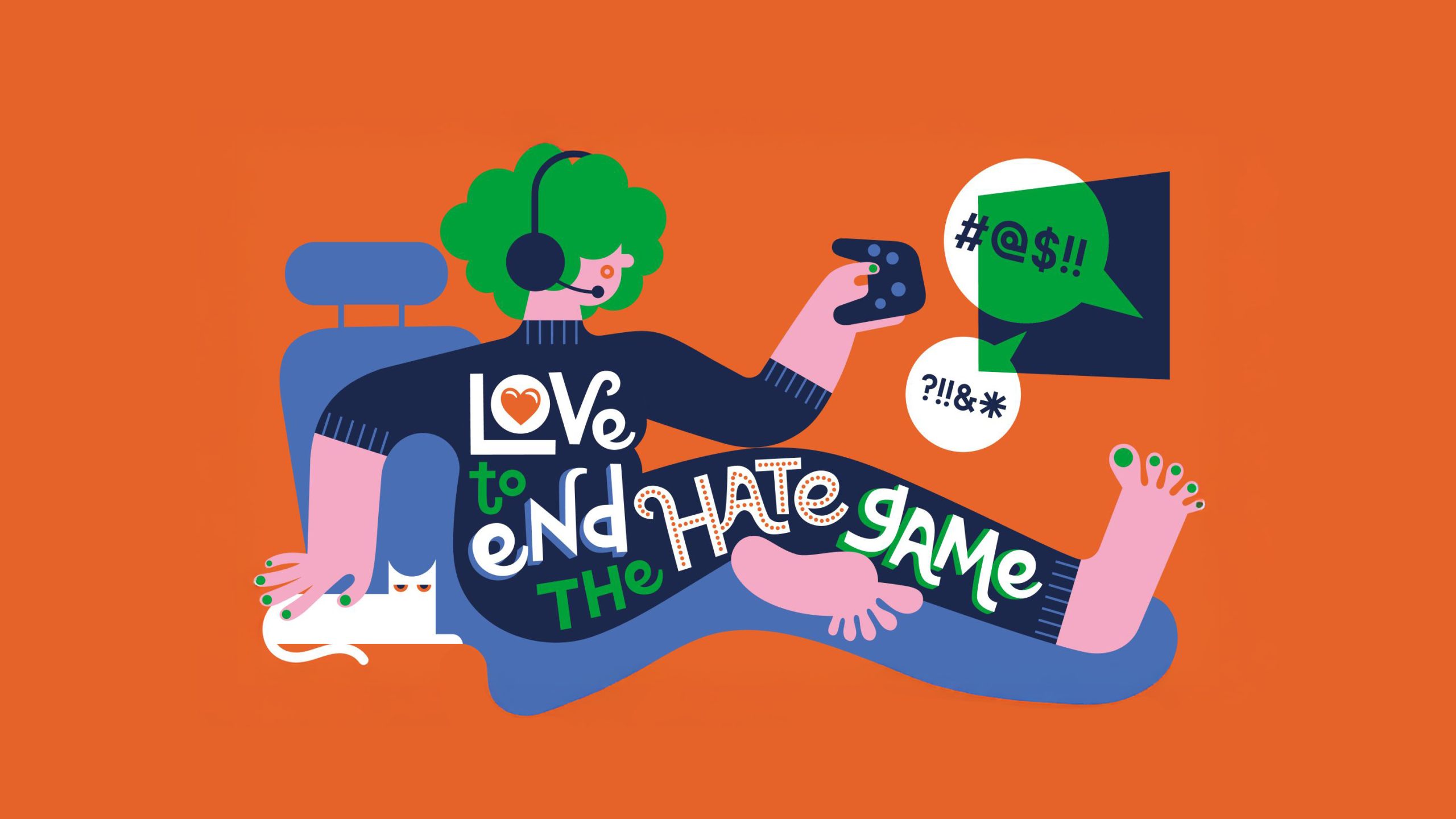
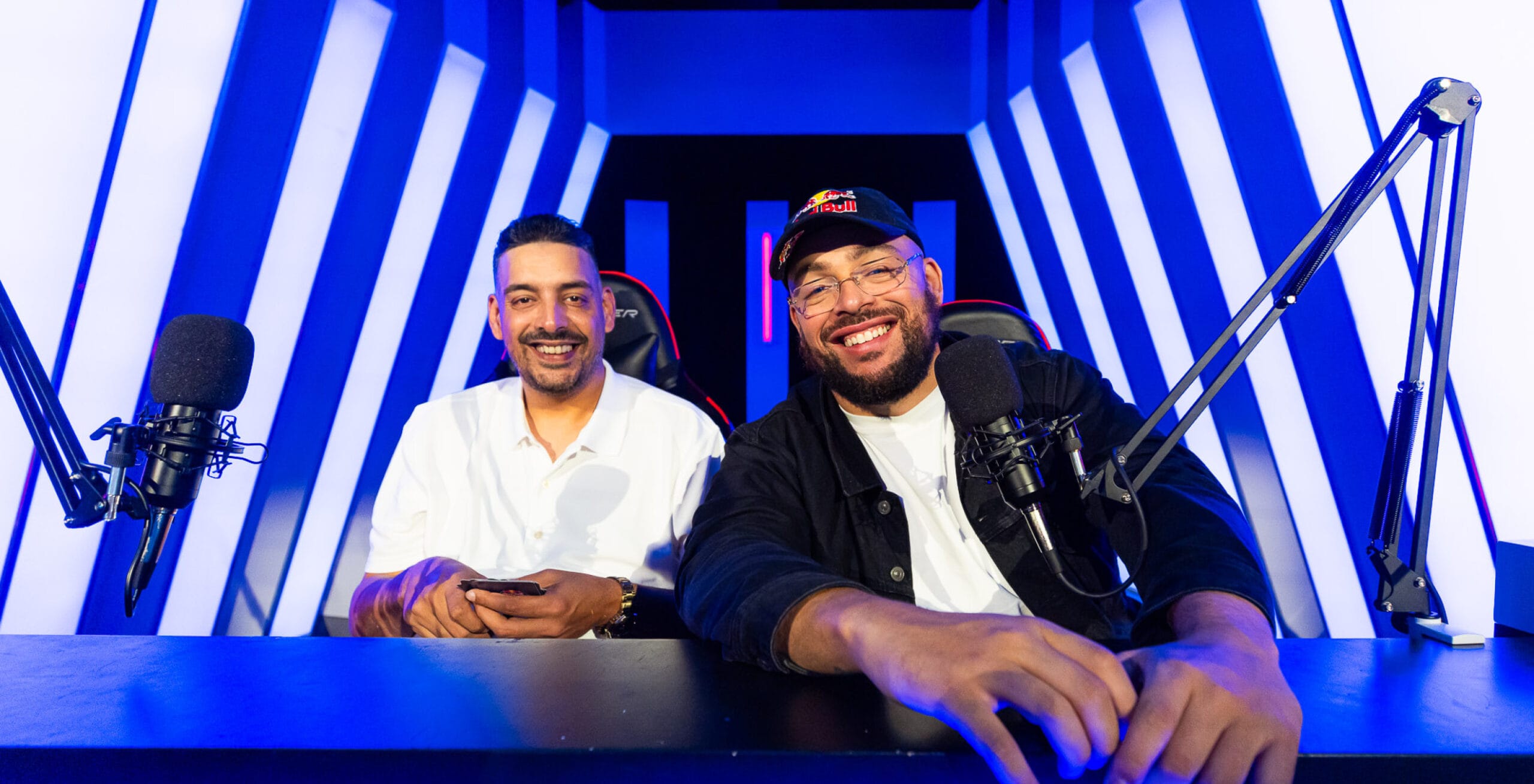
Working alongside creative agency Johnny Wonder, we helped develop “Love to End the Hate Game”, a week-long campaign bringing together prominent Dutch streamers to address toxicity head-on, based on strategic insights from The Invaders. Rather than creating traditional advertising content, we facilitated authentic conversations during live Twitch streams from June 23-29, 2025.
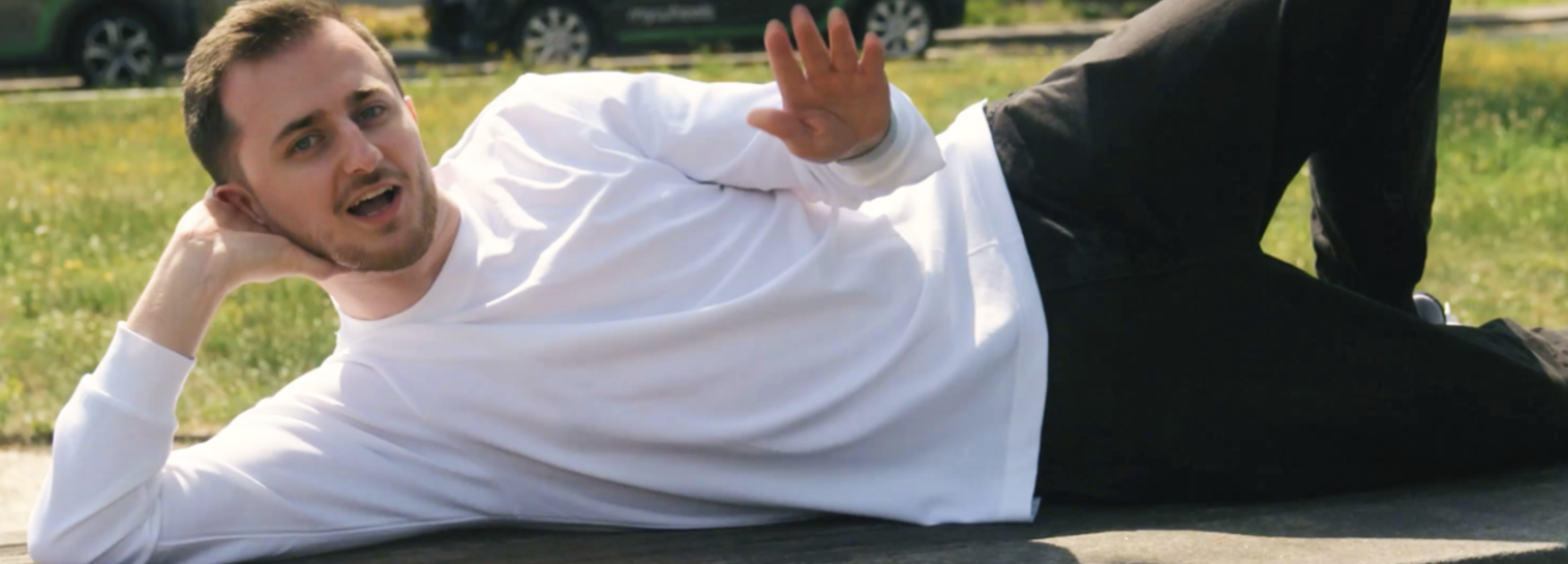
The campaign featured three respected Dutch streamers:
The campaign utilized streamers’ natural downtime moments to introduce meaningful dialogue about creating safer gaming spaces, transforming downtime into purposeful engagement.
Helpwanted’s Ouassima Belmoussi (LOSTyGIRL) joined discussions as someone who regularly experiences online hate herself, sharing real experiences and demonstrating the serious impact of toxic behavior on mental health.
The campaign worked within existing streaming schedules, using natural conversation opportunities to address toxicity without disrupting regular content flow. This approach ensured discussions felt organic rather than forced, maintaining the authentic creator-audience relationship that makes these partnerships effective.
As Ouassima Belmoussi noted during the streams, “In the gaming world, racism, sexism, and hate are normalized. That has to stop. This behavior has serious consequences, including stress, fatigue, depressive symptoms, and even suicidal thoughts.” Her willingness to share personal experiences provided credible evidence of the issue’s severity and demonstrated why professional support services like Helpwanted are essential.
The campaign successfully raised awareness of Helpwanted among Dutch gaming audiences while generating significant media coverage across major outlets including NOS Jeugdjournaal, Omroep Brabant, and RTL Nieuws. More importantly, the campaign started conversations. Streamers and their communities began discussing boundaries, support systems, and collective responsibility for creating positive gaming environments.
https://www.instagram.com/reel/DLX2_ldiEs7/
Community Engagement
Each stream sparked broader conversations within gaming communities about creating positive environments, with viewers sharing their own experiences and discussing concrete steps for change.
Why This Works in Gaming
Gaming communities respond to authenticity, not corporate messaging. By working with respected creators who genuinely care about these issues, the conversations felt organic rather than forced. The streamers’ existing audiences already trusted them, making the Helpwanted message more credible and actionable.
The timing during live streams also meant reaching gamers in their natural environment, when they’re most engaged with gaming culture and community dynamics. This approach builds on insights from our previous work with 988 Suicide & Crisis Lifeline, where we learned how streamers can break mental health taboos by having honest conversations during sponsored content.